About All Tours Kayak ToursBoat ToursNight ToursFrom San Jose ToursTurtle Tours Directions Hours & Fees
Find Tours 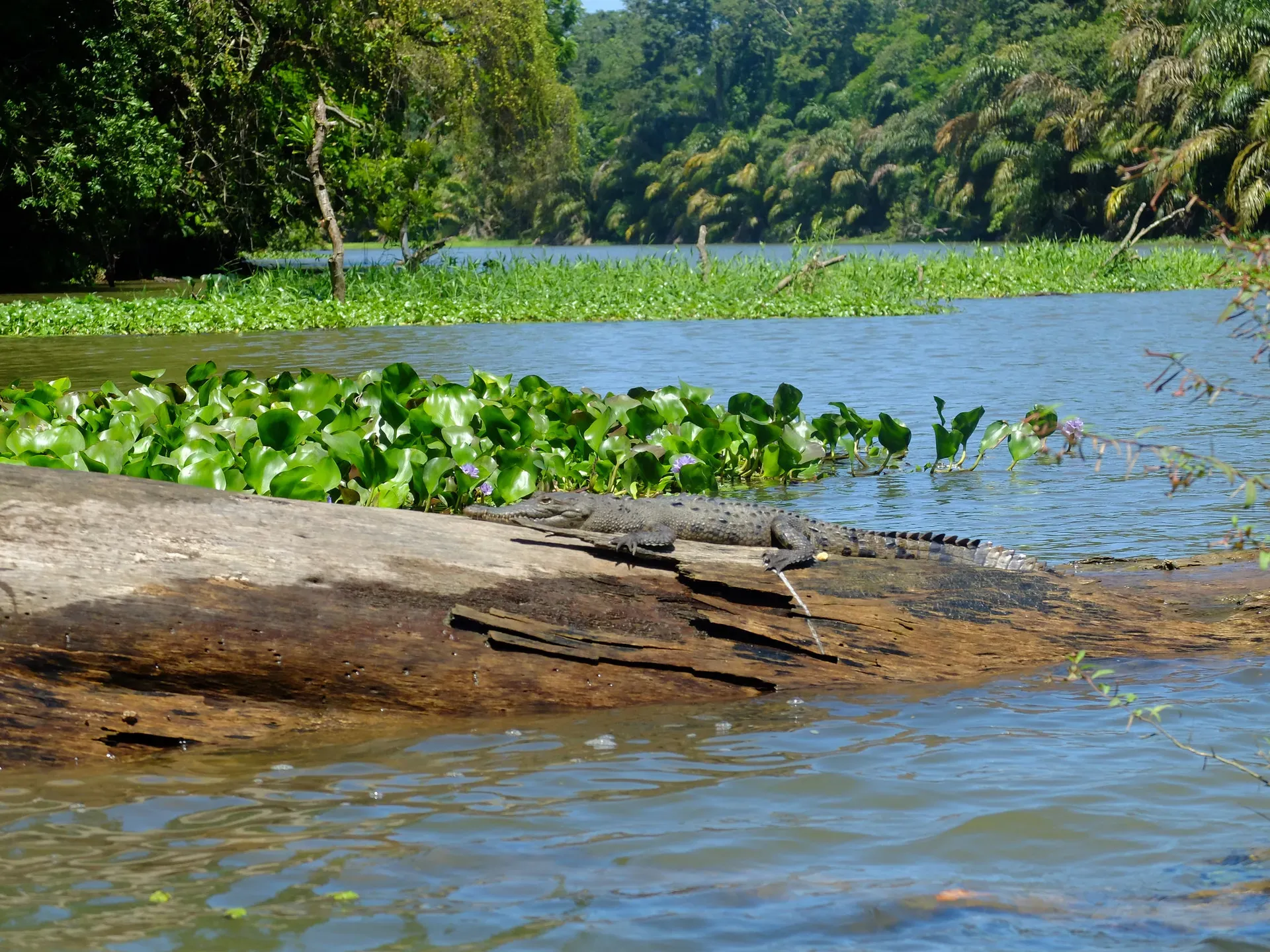
Accessible only by boat or small airplane, this 76,937-hectare wilderness protects an intricate network of freshwater canals. Visitors navigate these remote waterways to spot 442 bird species and watch endangered green sea turtles nest along the Caribbean coast.
Find Guided ToursTortuguero National Park is a highly protected wilderness area spanning 76,937 hectares in the Limón Province on the northeastern Caribbean coast of Costa Rica. Accessible exclusively by boat or small airplane, the park is defined by an intricate network of navigable freshwater canals, lagoons, swamps, and coastal beaches. This low alluvial floodplain formed on the ancient Nicaraguan Trench, which filled with sediments seven million years ago. Today, the landscape is occasionally interrupted by isolated volcanic hills, with elevations ranging from sea level to 230 meters.
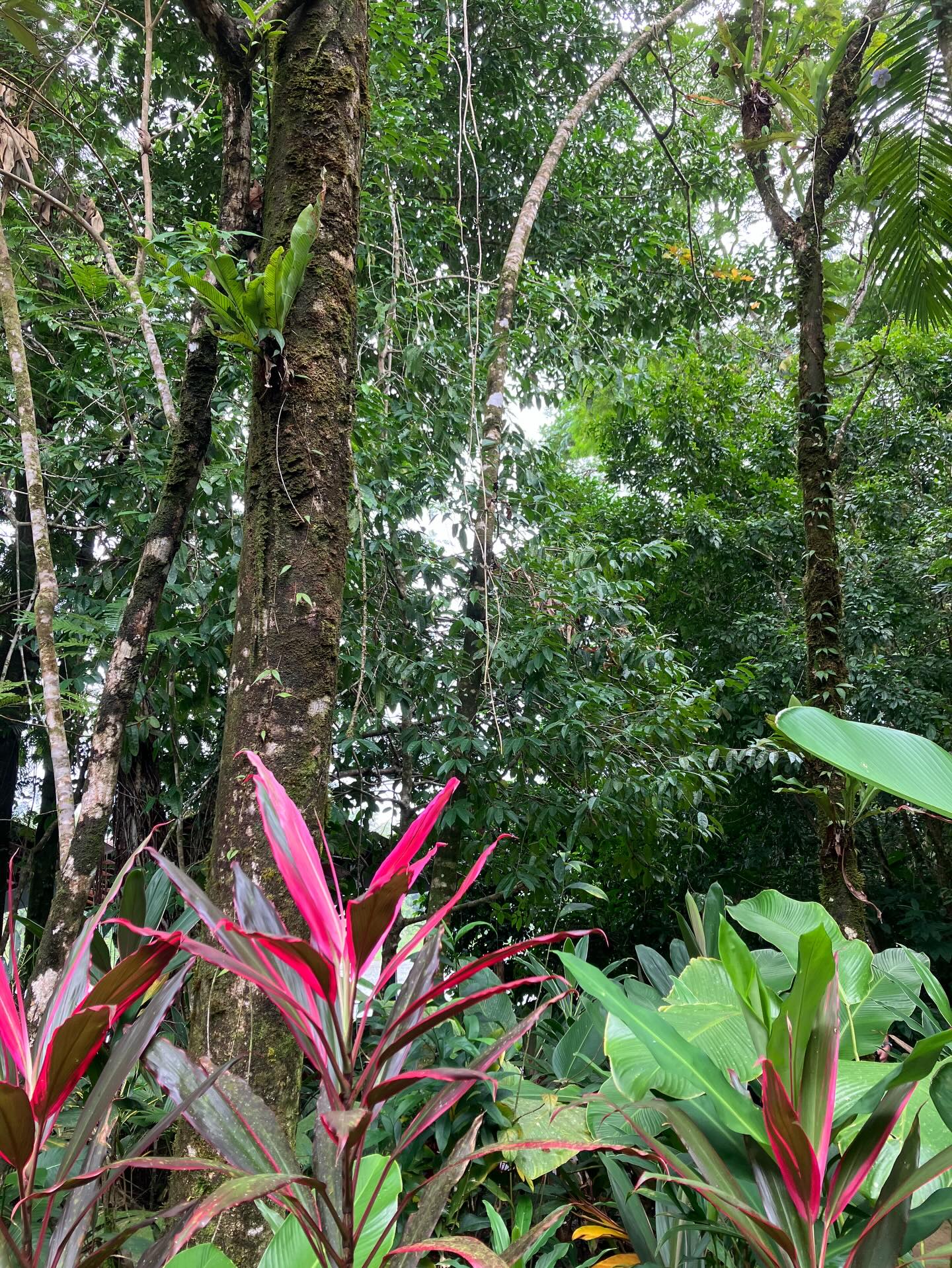
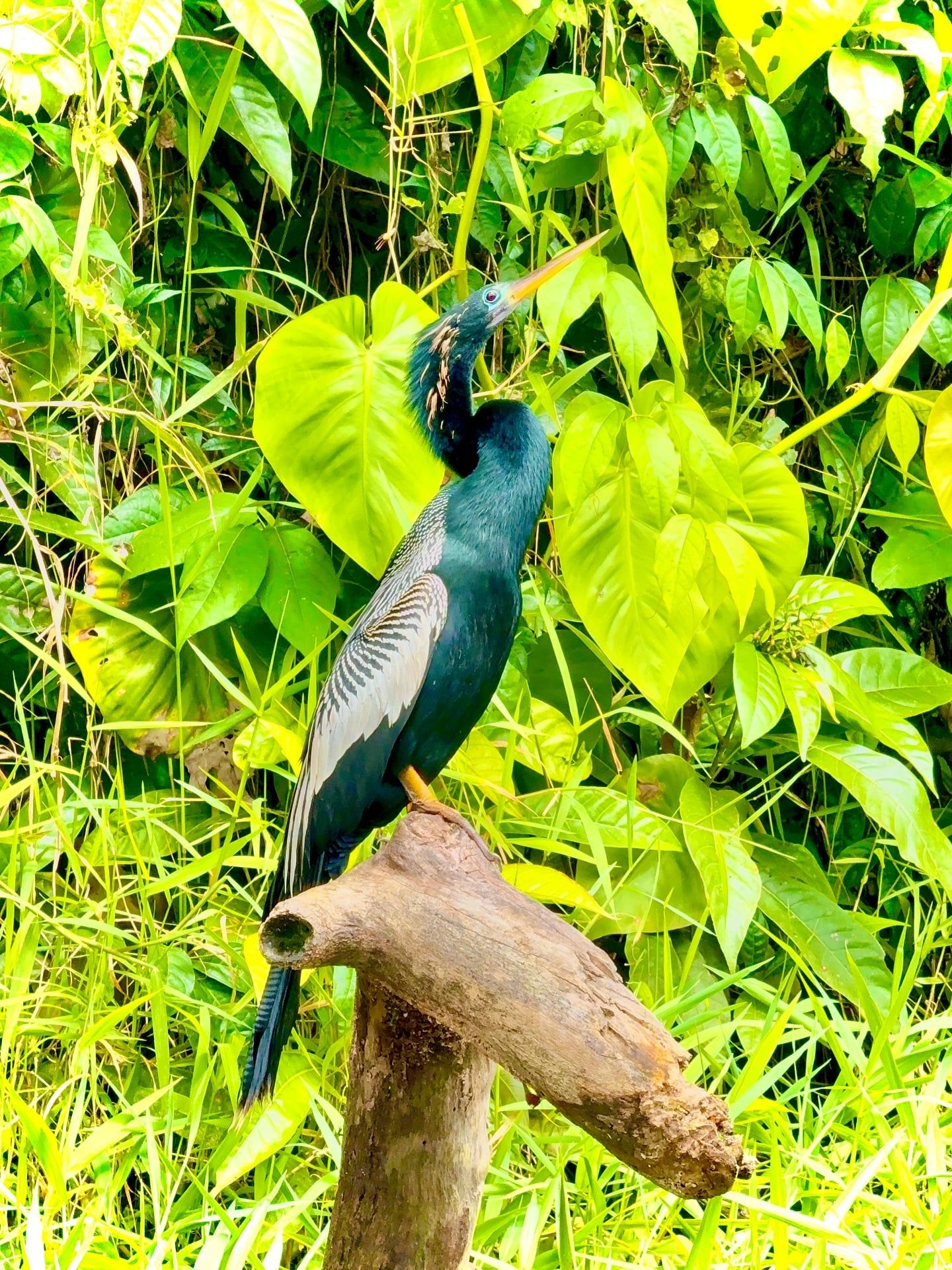
Often referred to as "Costa Rica's Little Amazon," the park receives up to 250 inches of rainfall annually. This heavy precipitation supports eleven distinct ecological habitats, including tropical wet forests, mangrove forests, and Raphia palm swamps. Within these boundaries lie 50,284 marine hectares and 26,653 terrestrial hectares that harbor 442 bird species, 138 mammal species, 118 reptile species, and 58 amphibian species.
The park's creation was driven by an urgent need to safeguard regional wildlife from historical logging, turtle hunting, and the skin trade. Biologist Archie Carr, who founded the Caribbean Conservation Corporation in 1959, worked closely with the Costa Rican government to protect these grounds. Tortuguero was officially declared a national park on September 24, 1970, and opened on October 28, 1975. The government subsequently expanded the borders in 1980, 1995, and 1998 to further shield its fragile ecosystems.
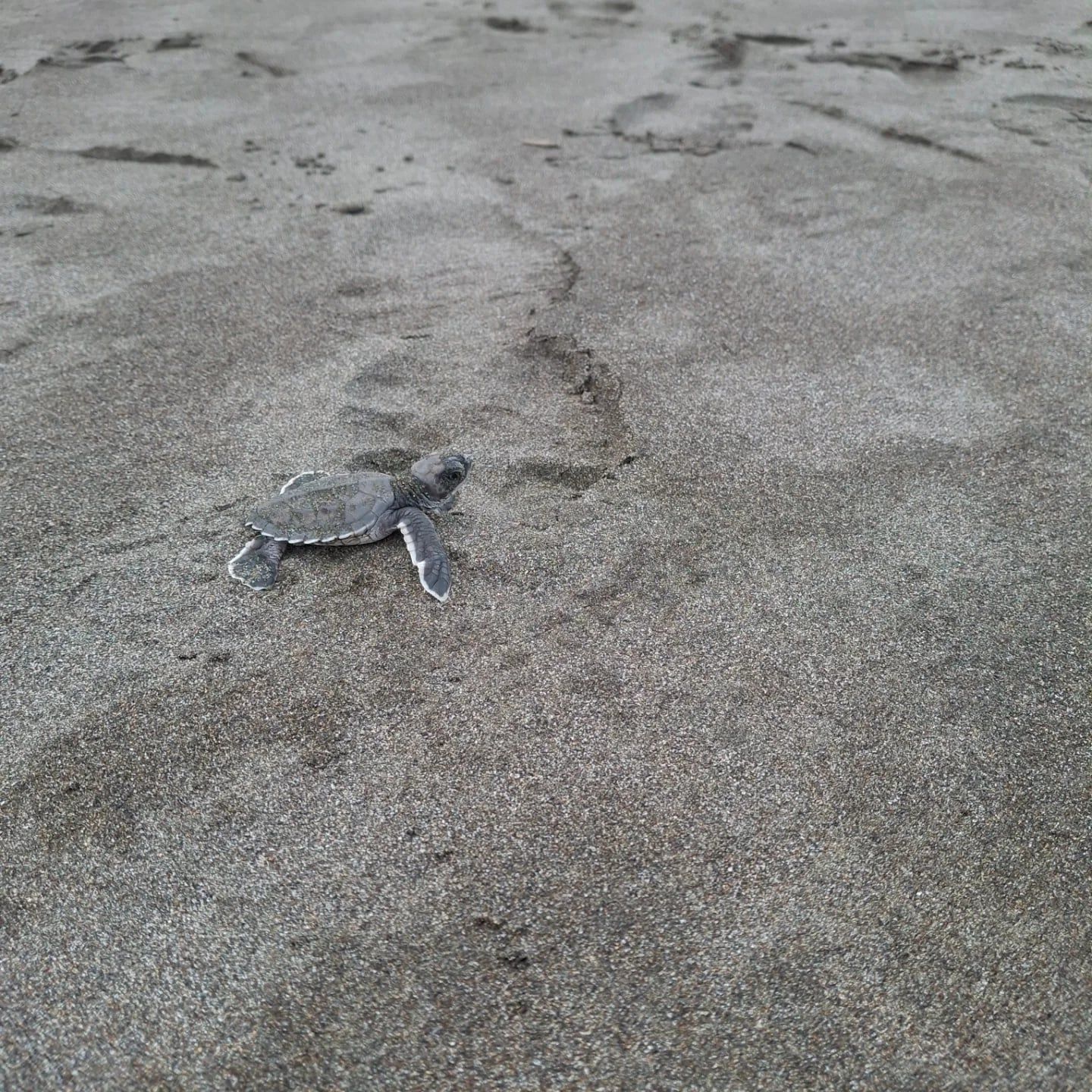
Tortuguero is internationally recognized as the most important nesting site for the green sea turtle in the Western Hemisphere. It also provides critical nesting grounds for endangered giant leatherback, hawksbill, and loggerhead sea turtles. Recognizing its global ecological importance in protecting threatened flora and fauna, the area was designated as a key Ramsar Site on March 3, 1991.
Discover the full history and cultural significance on our About page.
Between July and October, giant green sea turtles come ashore to dig nests and lay eggs on the dark beaches. To protect the endangered species, visitors must wear dark clothing and join a certified naturalist guide after 6:00 PM. Flashlights and cameras are strictly prohibited during these nocturnal walks.
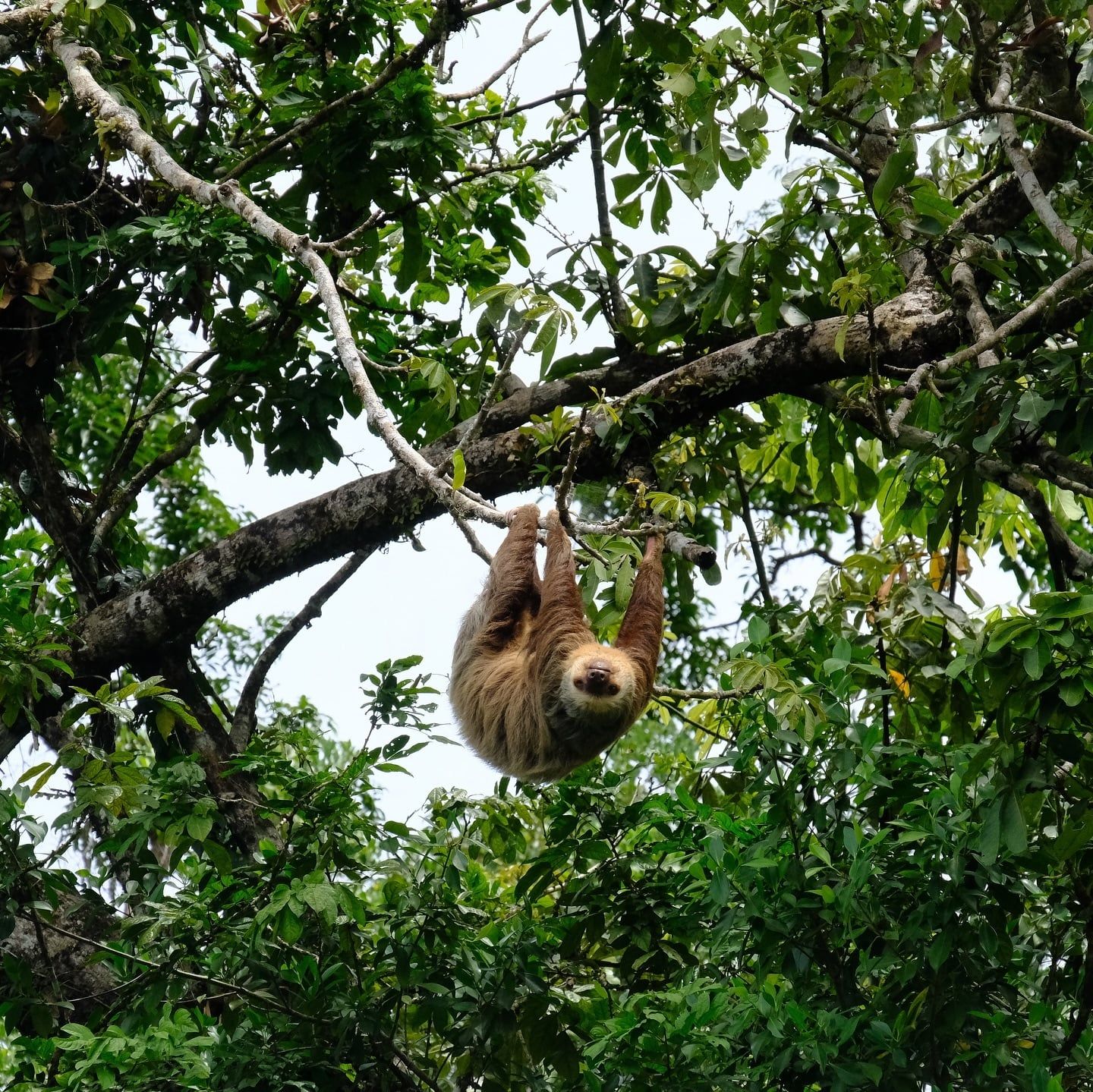
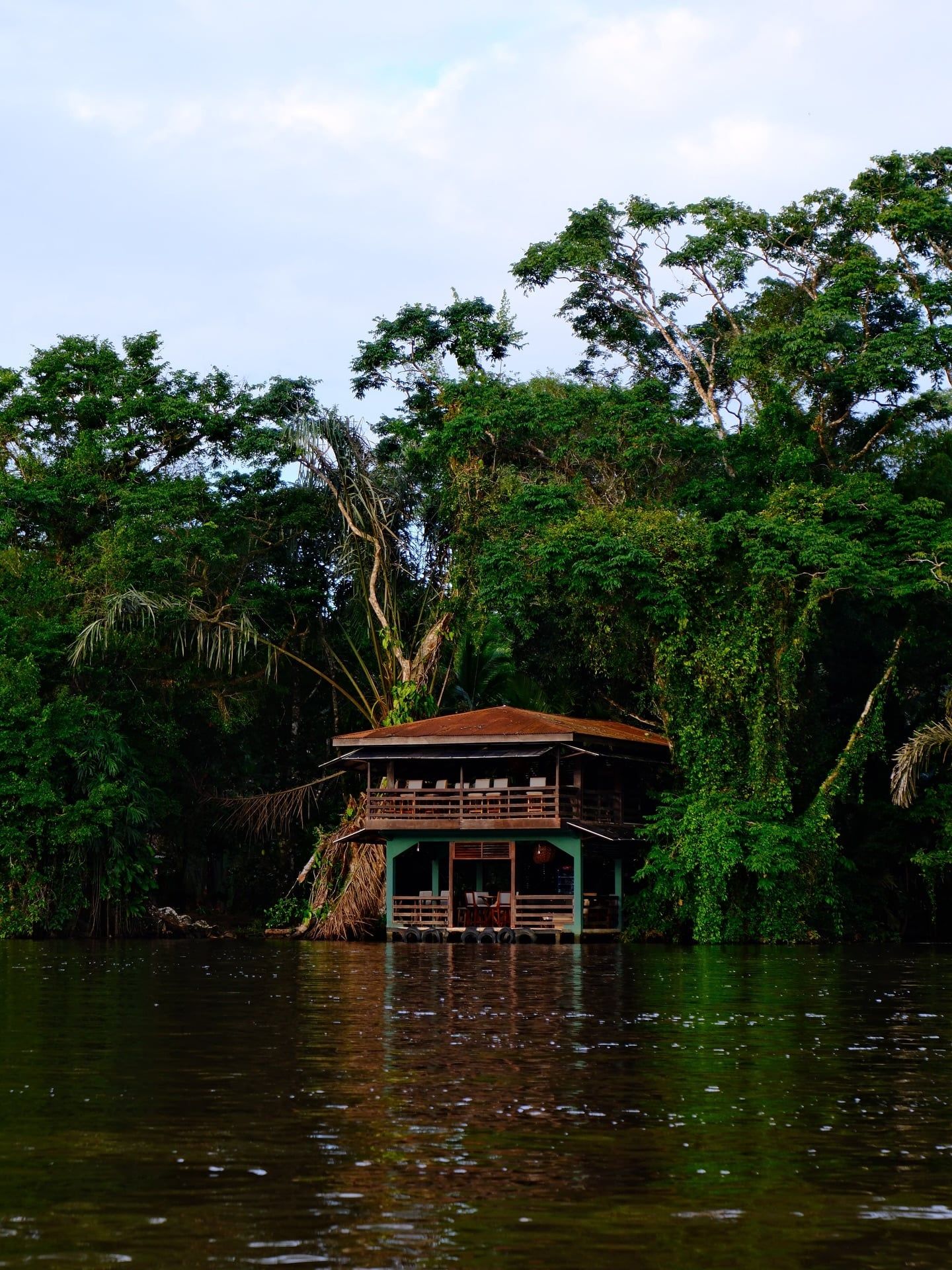
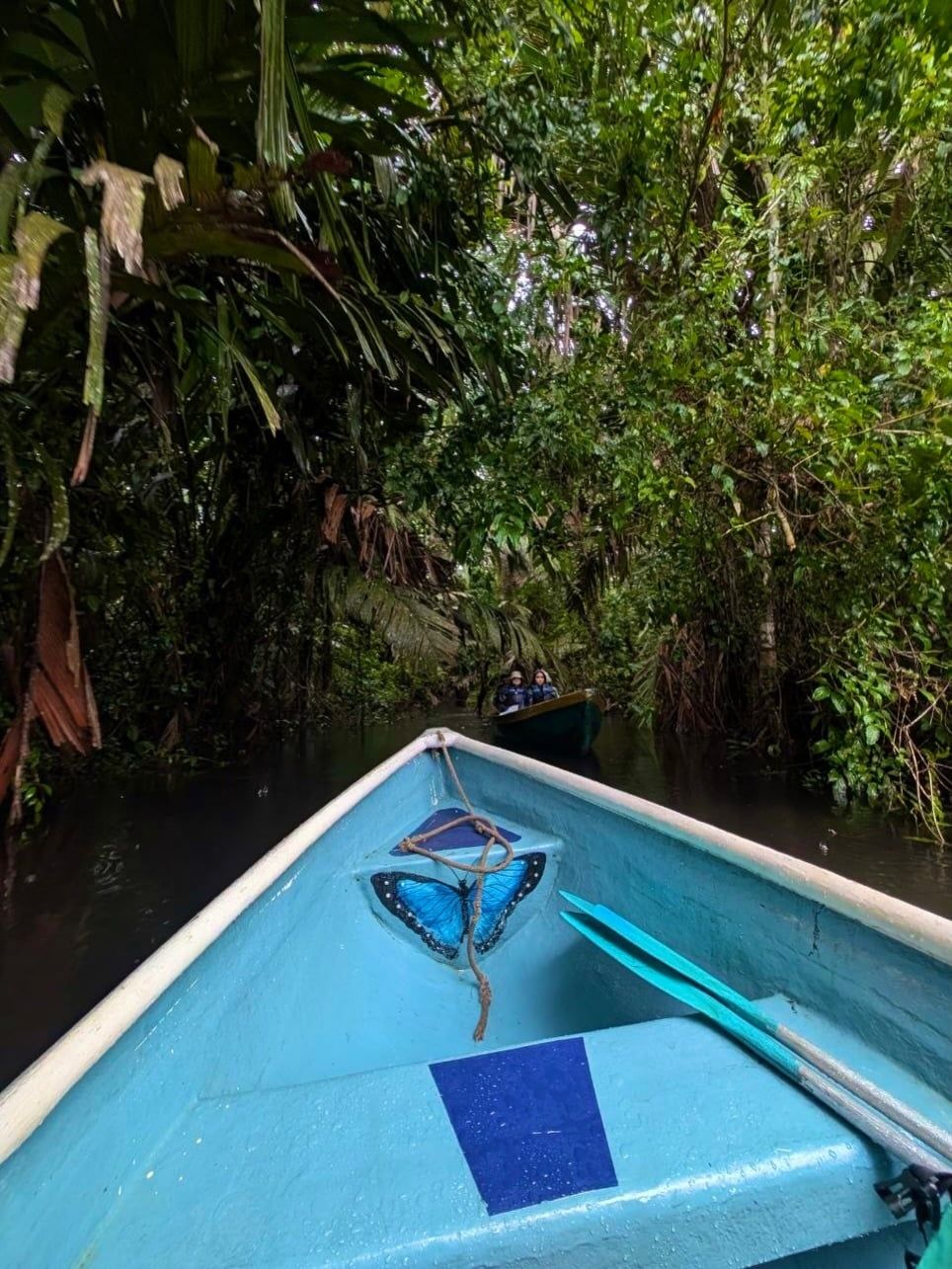
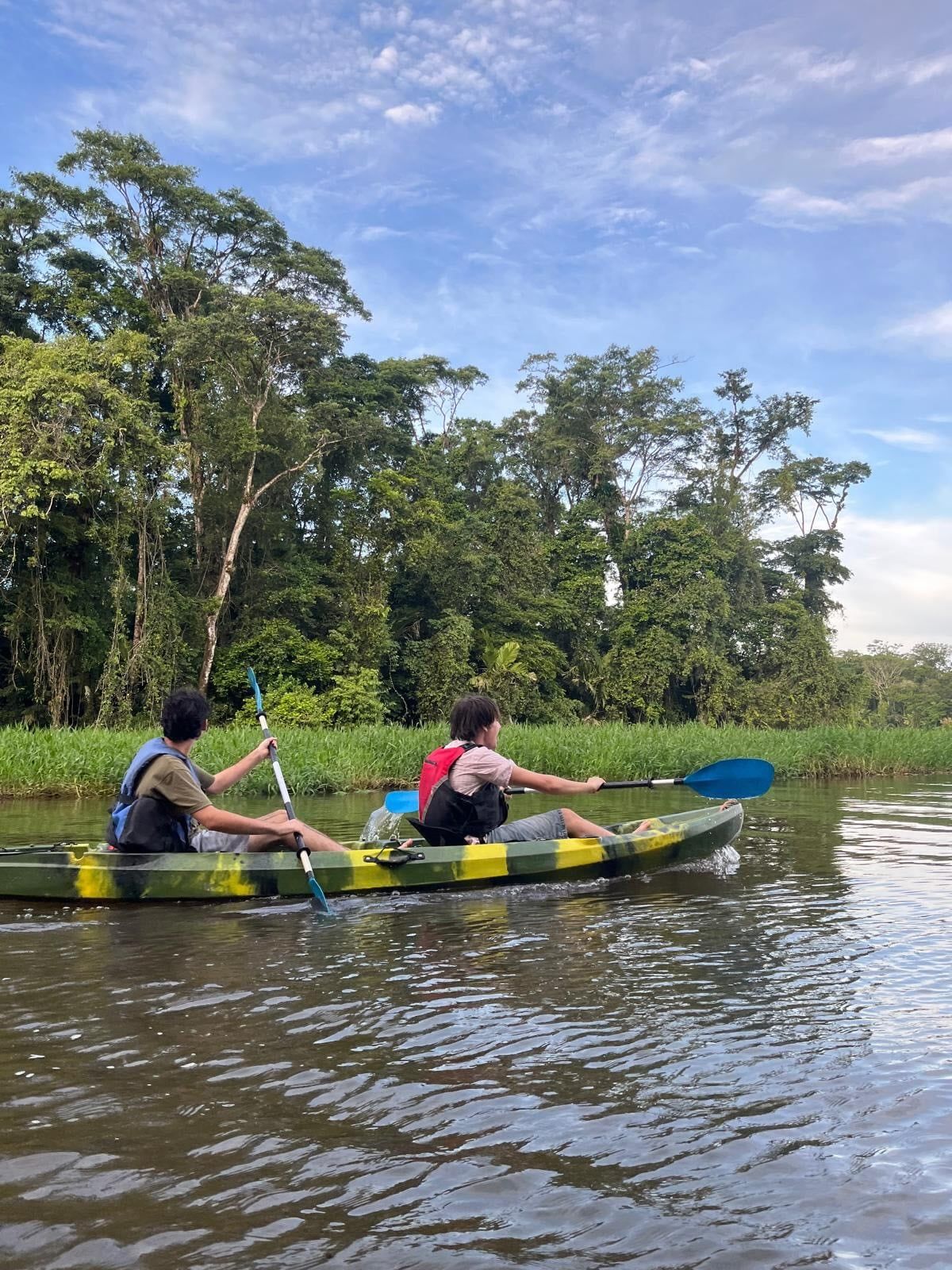
Board a small boat or canoe at 6:00 AM to navigate the park's intricate network of freshwater canals. The surrounding tropical wet forests receive up to 250 inches of annual rainfall, creating a dense canopy where you can spot howler monkeys, sloths, caimans, and colorful toucans feeding along the riverbanks.
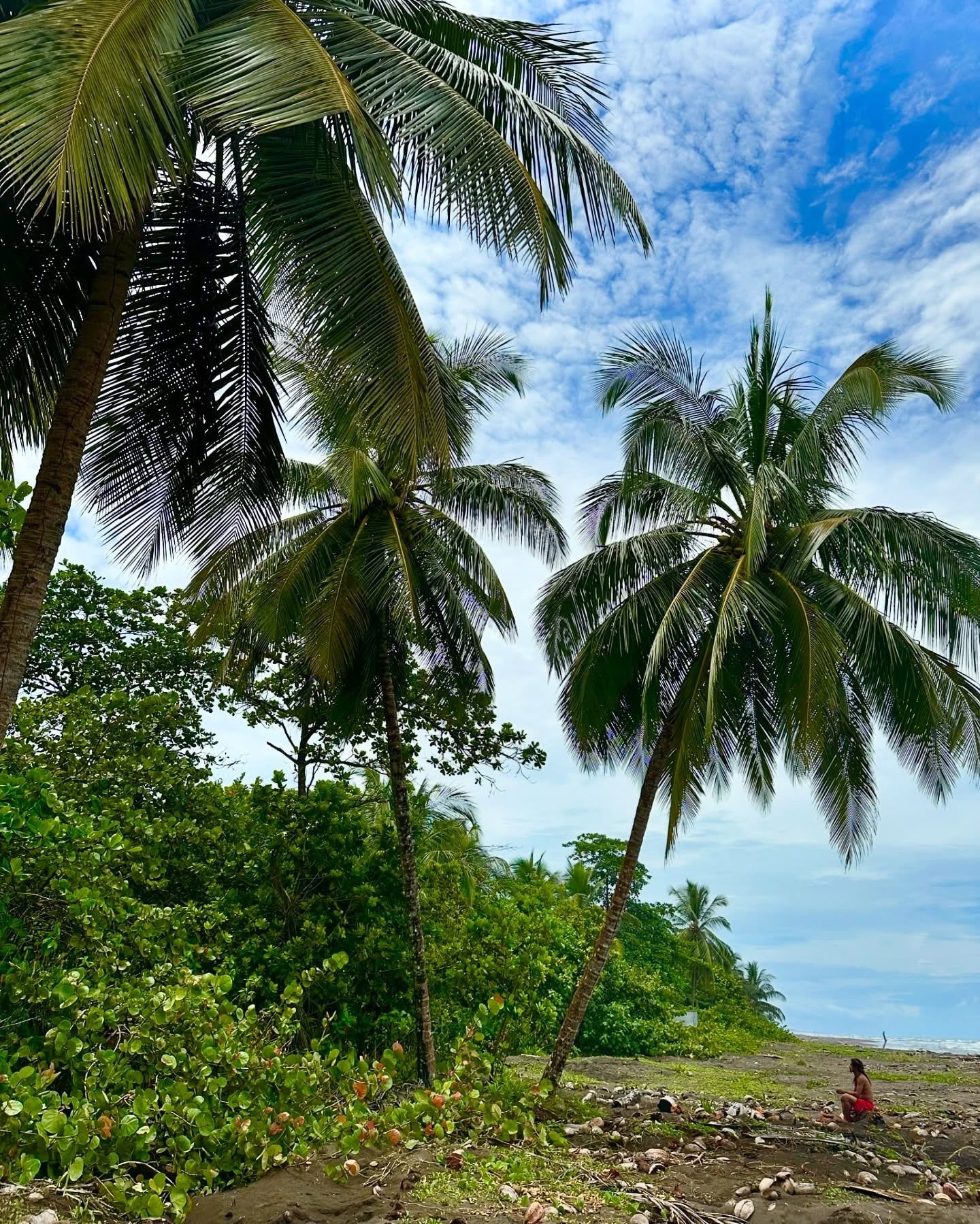
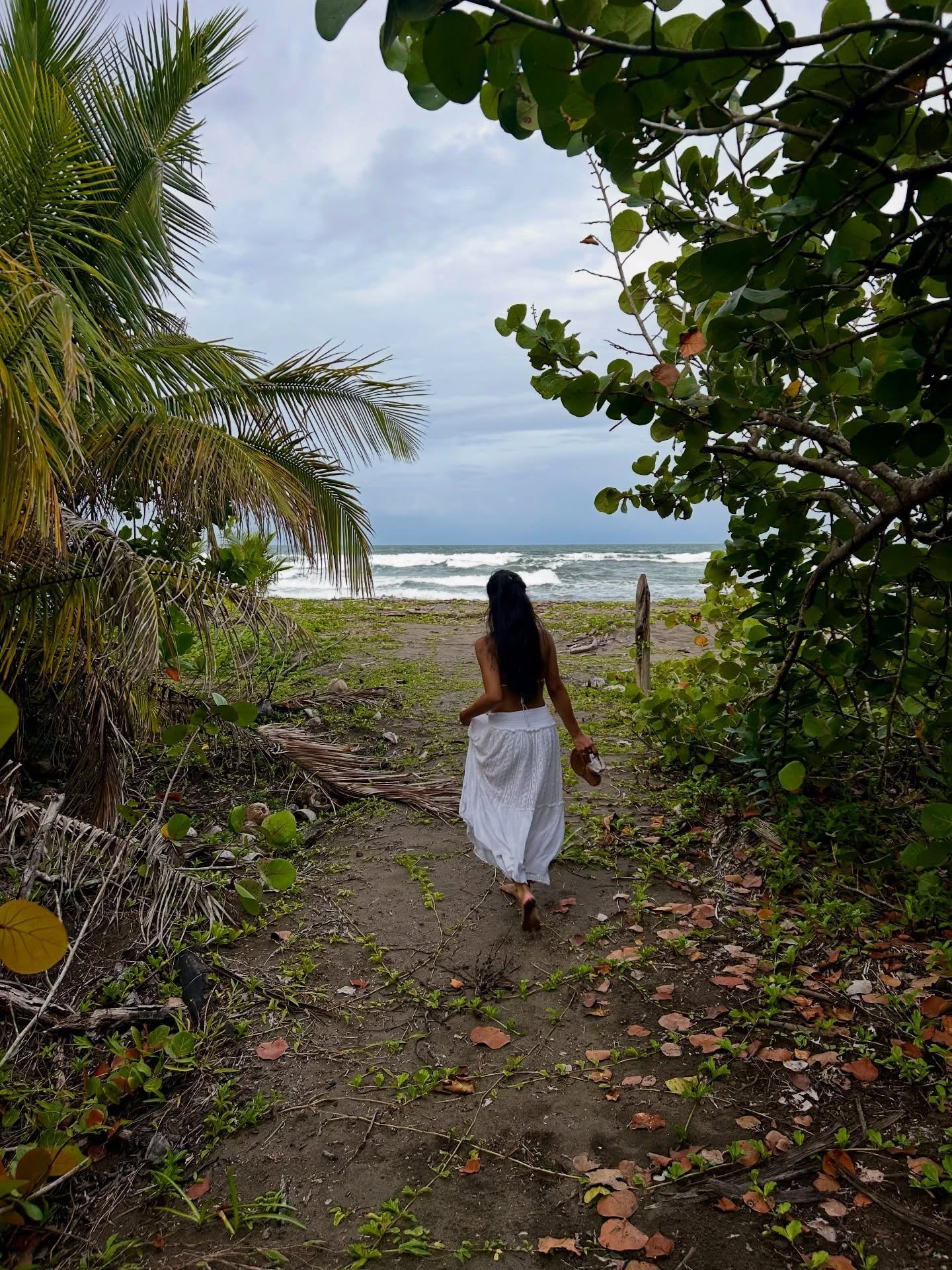
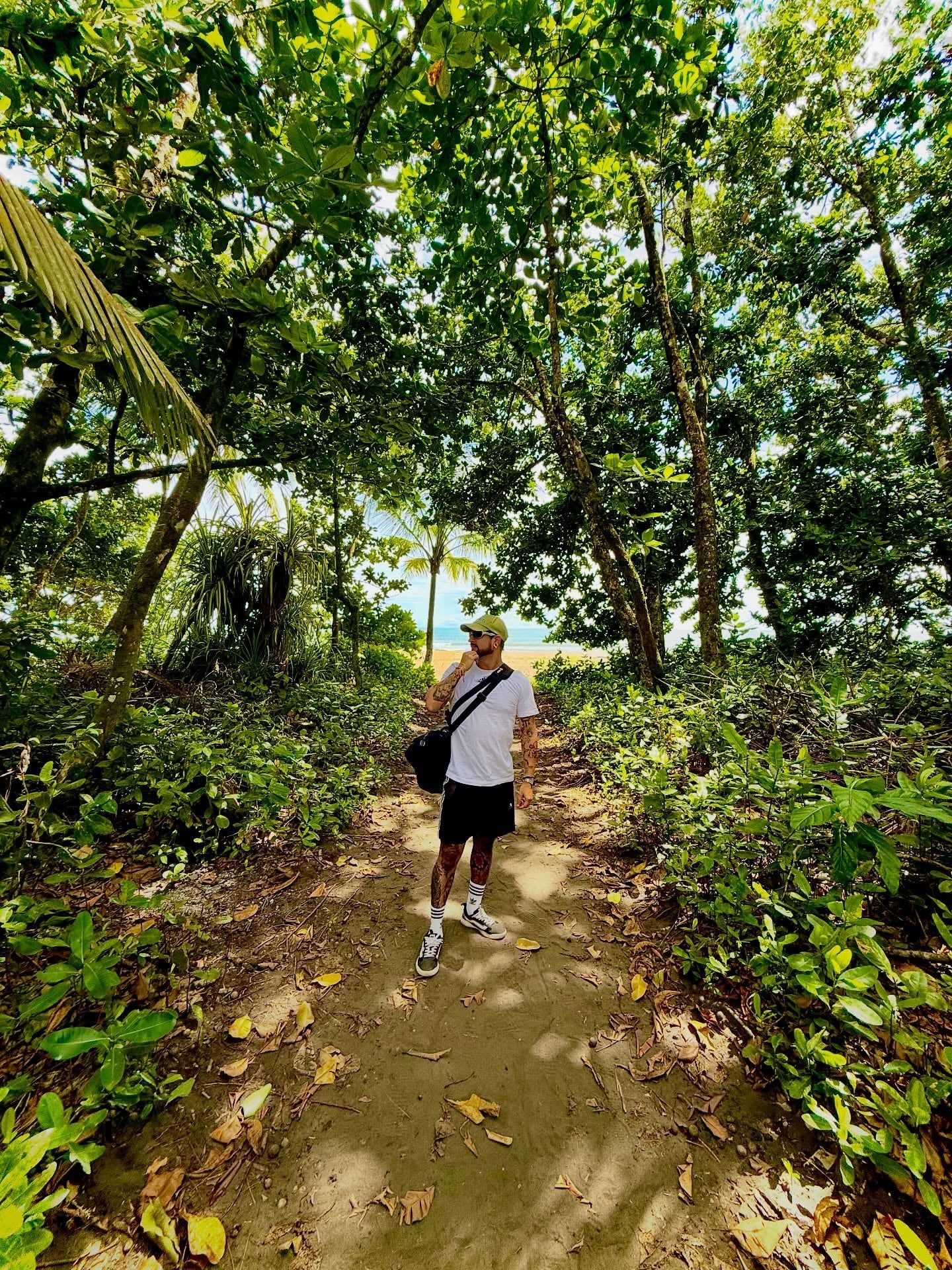
Walk the flat, 2.5-kilometer Jaguar Trail running parallel to the park's rugged Caribbean coastline. Surrounded by dense coastal rainforest, this path features clearly marked beach access points every 100 meters. The muddy route is heavily trafficked during the turtle nesting season and requires sturdy walking shoes with good traction.
Walk down the car-free, 400-meter main strip of Tortuguero Village, home to approximately 2,500 residents. Situated on a narrow spit of land between the freshwater canal and the sea, the town features local souvenir shops, Afro-Caribbean culture, and traditional coconut-infused dishes. Bicycles and boats serve as the primary transportation.
Hand-picked tours with free cancellation and verified reviews
 Free Cancellation 3h
  Free Cancellation 2h 30min
  Free Cancellation 2h
  Free Cancellation 6h
  Free Cancellation 3h
  Free Cancellation 12h 30min
  Free Cancellation
  Free Cancellation
 The best time to visit Tortuguero National Park is between July and October to witness the peak of the green sea turtle nesting season. If you prefer to avoid the heaviest rainfall, plan your trip during the driest months of February, April, or November.
April stands out as one of the driest months, offering a break from intense heat and humidity. Sudden downpours are still possible in this tropical climate averaging 26°C (79°F).
July begins the prime green sea turtle nesting season. While humidity is high and rain is frequent, this period provides optimal opportunities for guided nocturnal wildlife viewing along the beaches.
September and October represent the peak turtle nesting season despite daily torrential downpours requiring heavy-duty rain gear. November shifts to drier conditions, making canal exploration more comfortable.
February is among the driest months in the park, providing relief from the annual 6,400 mm of rainfall. This makes navigating the freshwater canals and hiking trails much easier.
Tortuguero National Park is open seven days a week, including holidays. Daily operating hours are divided into two shifts: from 6:00 AM to 12:00 PM, and from 1:00 PM to 4:00 PM.
| Category | Price |
|---|---|
| Non-resident foreign adult | $16.95 USD |
| Non-resident foreign child (ages 6 to 12) | $5.65 USD |
| Child (ages 5 and younger) | Free |
| National and resident adult | ¢1,000 |
| National and resident child | ¢500 |
| Cerro Sector / Cerro Tortuguero (separate ticket) | $2.26 USD |
All park entry tickets must be booked and paid for at least one day in advance through the official SINAC online portal. No tickets are sold at the park gates.
For complete schedules and ticket prices, visit our Hours & Fees page.
Tortuguero National Park is entirely inaccessible by car. Visitors must reach the park either by taking a small domestic flight or by navigating the region's freshwater canals by boat.
📍 Limón Province, northeastern Caribbean coast, Costa Rica
Travelers can drive or take a bus from San José through Guápiles to Cariari. From there, the route continues to the La Pavona dock. Public water taxis depart La Pavona daily at 7:30 AM, 12:30 PM, and 4:30 PM. The final leg is a scenic 1 to 1.5-hour boat ride along the river canals directly into Tortuguero.
A longer, highly scenic boat trip departs from the Moín Dock located near the port city of Limón. The vessel travels north along remote canal systems for three and a half hours. This extended route provides excellent opportunities for spotting river wildlife along the way. Passengers remain on the water until arriving directly in Tortuguero.
Sansa Airlines operates daily domestic flights directly from San José Airport to the small Tortuguero airstrip. The flight takes just 25 minutes to reach the coast. Upon landing, travelers cannot walk to their accommodations. They must take a short boat transfer across the canal to reach the main village or their respective lodges.
For detailed transport options and routes, visit our Directions page.
Purchase your park entry tickets through the official SINAC portal at least one day before your visit. Tickets are not sold at the gates, and the online servers can be slow. Foreign adult admission costs $17 USD plus tax, while hiking Cerro Tortuguero requires an additional $2 USD ticket.
Pack plenty of local currency before traveling to the park. Tortuguero Village has only one ATM, which is frequently out of cash or completely out of service. Local businesses and guides prefer Costa Rican colones over US dollars, and using them helps secure better prices during your stay.
Protect all your electronics and luggage with high-quality waterproof bags. Reaching the village requires a 1 to 1.5-hour open boat ride, leaving your gear highly vulnerable to river spray. The park receives up to 250 inches of rain annually, making sudden downpours common even during drier months.
Visitors joining the night turtle nesting tours between July and October are strictly required to wear dark-colored clothing. Bright colors easily scare away the endangered green sea turtles as they crawl ashore. You must also leave all cameras, cell phones, and flashlights behind, as light-emitting devices are completely banned.
Swimming is strictly prohibited in both the ocean and the freshwater canals. The beaches lack lifeguards and are plagued by extremely dangerous rip currents and rough surf. The canal network is home to dangerous aquatic wildlife, including caimans, crocodiles, and bull sharks, so stick to lodge swimming pools.
Exploring the beaches after 6:00 PM is strictly illegal without a licensed naturalist guide. Hiring a professional is also highly recommended for daytime canal safaris. Untrained eyes will struggle to spot well-camouflaged wildlife like sloths, monkeys, and caimans hidden within the dense rainforest canopy.
This volcanic hill features an accessible 2.5-kilometer jungle hike along a raised boardwalk. The Mirador lookout point at the summit provides an expansive view of the canal network, rainforest, and Caribbean Sea.
This massive refuge shares the same pristine wetland habitats and climate as Tortuguero but receives far fewer tourists. It serves as an exceptional destination for serious anglers and birdwatchers exploring remote waterways.
Located further south on the Caribbean coast, this park is known for its white-sand beaches and accessible coastal trails. Visitors can snorkel in protected coral reefs and spot coastal wildlife.
Read what travelers share about their experience visiting Tortuguero National Park — from practical tips to personal highlights.
The entrance fee is $17 USD for non-resident adults and $5 USD for children aged 6 to 12, plus a 13% tax. You must purchase tickets at least one day in advance through the official SINAC online portal. Tickets are not sold at the park gates.
You can take a 25-minute domestic flight directly from San José Airport via Sansa Airlines. Alternatively, you can take a bus or drive 254 kilometers to the La Pavona dock, then board a public water taxi for a 1 to 1.5-hour boat ride costing about $8 USD per person.
The park is open seven days a week, including holidays. Daily access is split into two shifts, running from 6:00 AM to 12:00 PM, and then from 1:00 PM to 4:00 PM.
The green sea turtle nesting season runs from July through October. To view the turtles on the beach, you must book a guided night tour with a certified local guide, as unaccompanied access is illegal after 6:00 PM.
You are strictly required to wear dark-colored clothing to avoid disturbing the endangered sea turtles. Leave all cameras, cell phones, and flashlights at your lodge, as photography and light-emitting devices are completely banned on the beaches at night.
The park's main waterways can be explored via wheelchair-accessible boat tours, and there are handicap-accessible bathrooms at the ranger station. However, the unpaved land paths, like the 2.5-kilometer Jaguar Trail, are muddy and generally not suitable for wheelchairs.
There is only one ATM in the village of 2,500 people, and it is frequently out of cash or service. Visitors should bring plenty of cash in Costa Rican colones to pay for local businesses and guides.
No, swimming in the ocean is highly dangerous due to extreme rip currents, rough surf, and the absence of lifeguards. Swimming in the freshwater canals is also strictly prohibited because of the presence of bull sharks, crocodiles, and caimans.
Browse verified tours with free cancellation and instant confirmation.
Find Tours