About All Tours Kayak ToursBoat ToursNight ToursFrom San Jose ToursTurtle Tours Directions Hours & Fees
Find Tours 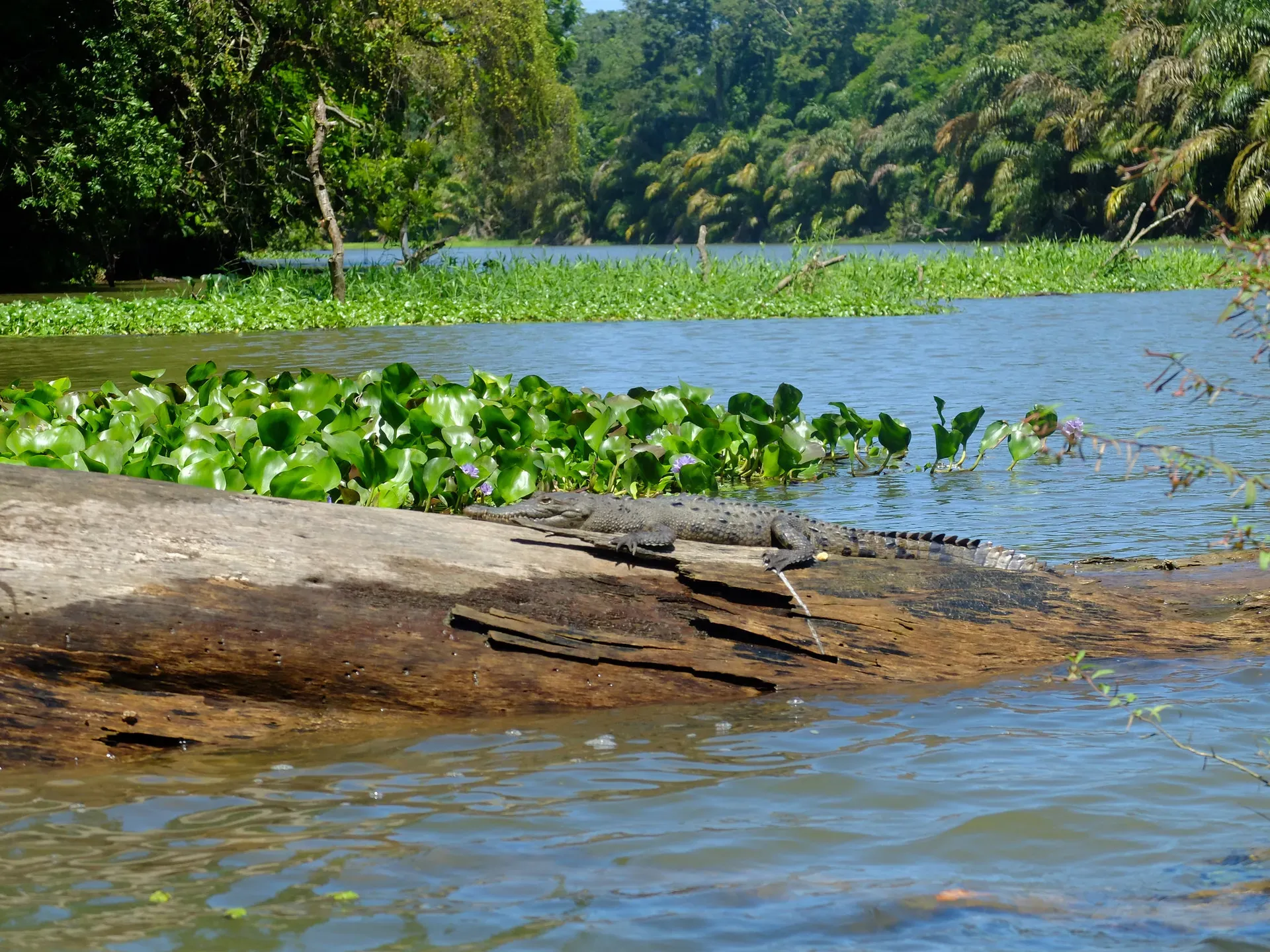
Tortuguero National Park spans 76,937 hectares of freshwater canals, swamps, and beaches along Costa Rica's northeastern Caribbean coast. Accessible only by boat or small plane, this protected wilderness hosts the largest green sea turtle nesting site in the Western Hemisphere.
Tortuguero National Park occupies 76,937 hectares of the Limón Province on Costa Rica's northeastern Caribbean coast. No roads lead here. Visitors arrive via a 25-minute domestic flight from San José or a 90-minute public water taxi navigating the winding river from La Pavona dock. The landscape consists of a vast alluvial floodplain formed over the ancient Nicaraguan Trench, cut by a complex network of freshwater canals, lagoons, and dense mangrove forests.
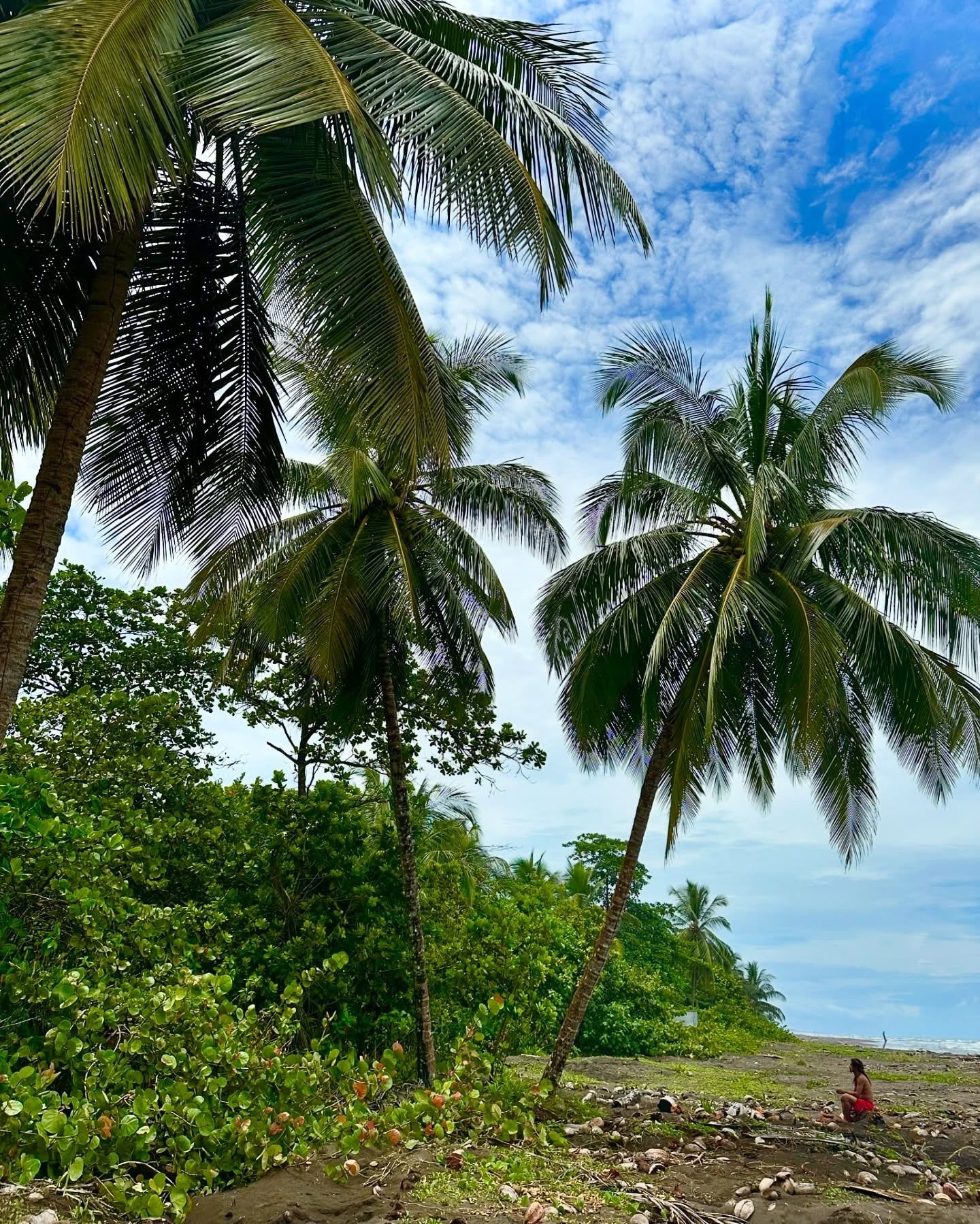
Green sea turtles drive the local ecosystem and economy. Thousands of females emerge from the ocean between July and October to dig nests in the dark volcanic sand. The park protects the most critical nesting ground for the species in the Western Hemisphere, alongside habitats for endangered leatherback, hawksbill, and loggerhead turtles. On March 3, 1991, the Ramsar Convention designated the area as a wetland of global ecological importance.
Heavy moisture defines the daily experience. The park receives up to 6,400 millimeters of rain annually, feeding eleven distinct ecological habitats. Morning mist hangs over the water at 6:00 AM as motorized boats and silent canoes slide through the flooded forest. Howler monkeys roar from the canopy. Caimans wait motionless in the shallow mud. Sudden torrential downpours frequently interrupt canal safaris, especially in September and October, requiring heavy-duty rain gear and waterproof bags for all electronics.
The journey to the park requires physical effort. Travelers taking the bus and boat route from San José must haul their luggage onto public water taxis at La Pavona. The 90-minute boat ride provides an unofficial first safari, passing through cattle pastures that slowly give way to towering rainforest walls. Wheelchair users can navigate the main canals via accessible boat tours, but the muddy land trails remain largely impassable for mobility devices.
Logging operations and commercial hunting dominated the northern Caribbean coast throughout the early 20th century. Poachers harvested green sea turtles for their meat and exported their skins for the global leather trade. The dense Raphia palm swamps and isolation of the region allowed these extraction industries to operate with little government oversight. Turtle populations plummeted as hunters intercepted females before they could lay their eggs on the 22-kilometer stretch of beach. Local communities relied entirely on this extraction economy, viewing the marine reptiles as an infinite resource. Timber companies cleared large tracts of old-growth forest, floating massive logs down the natural river canals to the port city of Limón.
Biologist Archie Carr arrived in the 1950s and shifted the region's trajectory. Recognizing the catastrophic decline in marine reptiles, Carr founded the Caribbean Conservation Corporation in 1959. He spent the next decade tracking migration patterns and lobbying the Costa Rican government to protect the nesting grounds. His field research proved that the beaches of Tortuguero were the primary reproductive anchor for the entire Caribbean green turtle population. Carr worked directly with local hunters, hiring them to tag turtles rather than kill them. This initiative provided a new source of income for the villagers and generated decades of valuable migration data.
The Costa Rican government officially declared Tortuguero a national park on September 24, 1970. The initial decree established strict boundaries around the most vulnerable nesting beaches and inland waterways. Park rangers began patrolling the coast at night, directly confronting poachers and dismantling the local turtle meat industry. The park officially opened its gates to the public on October 28, 1975, introducing a new economic model based on ecological observation. Former poachers retrained as naturalist guides, using their intimate knowledge of the waterways to show tourists the wildlife they once hunted.
Conservation authorities expanded the protected zone three times—in 1980, 1995, and 1998—to encompass 50,284 marine hectares and 26,653 terrestrial hectares. These expansions secured the inland freshwater canals and the surrounding lowland rainforests, protecting the complete watershed. The 1991 Ramsar designation elevated the park's status to a wetland of international importance, drawing funding and researchers from around the globe. Today, the Sea Turtle Conservancy continues Carr's work from their biological station near the village. Access to the nesting beaches after 6:00 PM remains strictly illegal without a certified local guide.
Seven million years ago, sediments filled the ancient Nicaraguan Trench to form the low alluvial floodplain that now supports Tortuguero. The terrain remains almost entirely flat, sitting barely above sea level. Isolated volcanic hills occasionally break the horizon, peaking at Cerro Tortuguero. This 230-meter rise sits 20 minutes by boat from the main village. A 2.5-kilometer raised boardwalk trail climbs the hill, ending at a lookout point that exposes the sharp divide between the brown freshwater canals and the blue Caribbean Sea. Hiking this sector requires a separate $2 USD ticket.
Water dictates the physical structure of the park. The 50,284 marine hectares feature a rugged, high-energy coastline battered by strong rip currents and rough surf. Swimming is strictly prohibited due to these dangerous water conditions and the presence of bull sharks near the river mouths. Inland, the 26,653 terrestrial hectares contain eleven distinct habitats. The Jaguar Trail cuts a flat, 2.5-kilometer path through the coastal rainforest, running parallel to the ocean. This muddy track features clearly marked beach access points every 100 meters, allowing researchers and guides to monitor turtle nests without trampling the vegetation.
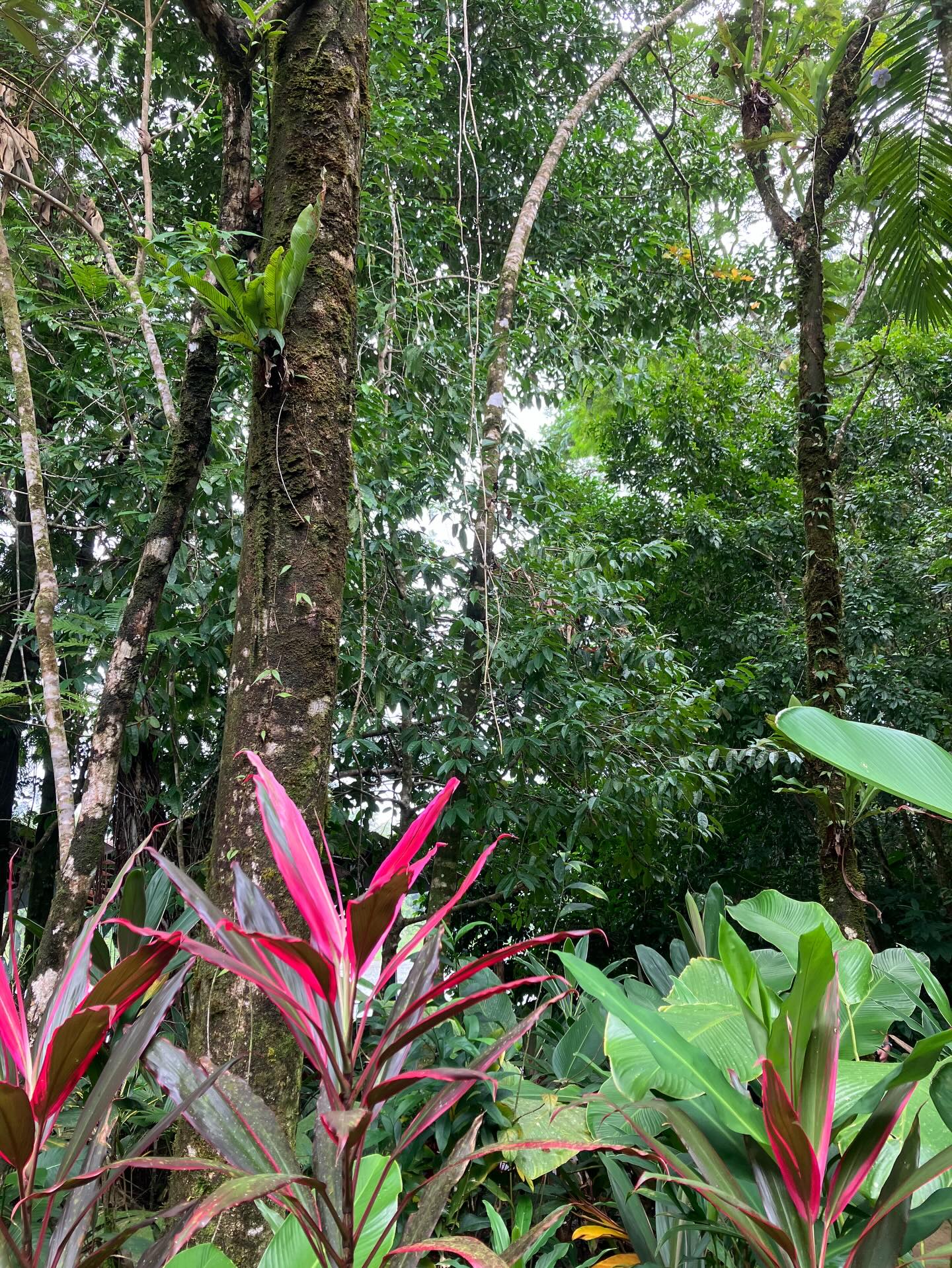
Raphia palm swamps dominate the water's edge, transitioning into dense mangrove forests and tropical wet forests. The canal system acts as the park's highway network. Certain narrow waterways are designated as motor-free zones, accessible only by kayak or traditional canoe. Paddling these quiet sections allows visitors to glide silently under hanging vines and observe wildlife without the disruption of a two-stroke engine. The water level fluctuates dramatically based on the 6,400 millimeters of annual rainfall, occasionally flooding the lower trails and requiring visitors to wear rubber boots.
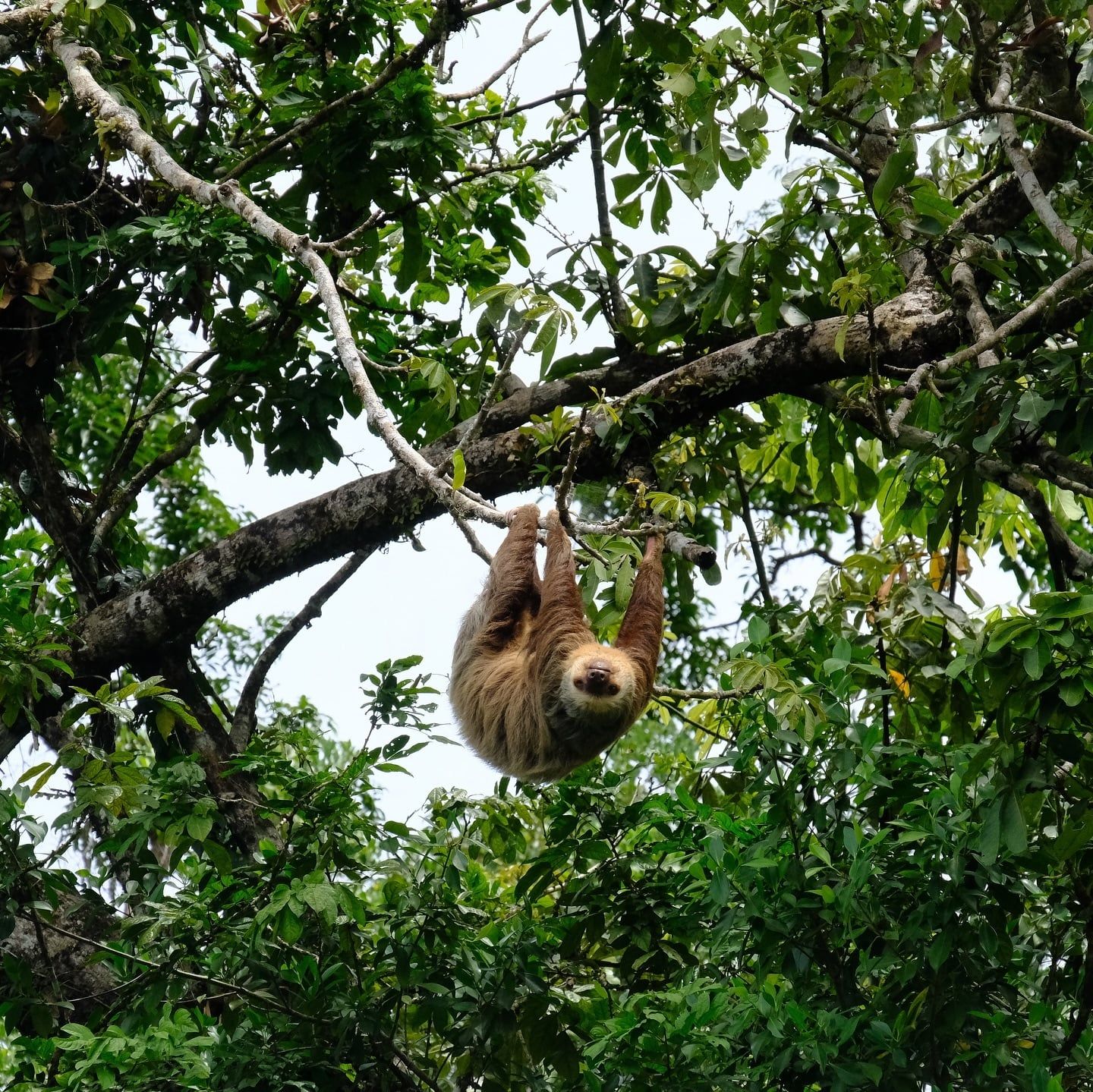
Wildlife adapts to the flooded vertical environment. Massive green iguanas climb high into the upper branches of the canopy to absorb maximum sunlight and avoid the caimans patrolling the brown water below. Strawberry poison dart frogs navigate the damp leaf litter along the muddy El Gavilán Trail. Three-toed sloths rest in the crotches of Cecropia trees, their fur tinted green by algae in the humid air. Toucans and macaws feed on fruits in the emergent layer, 30 meters above the forest floor. Hire a certified naturalist guide for your first canal tour, as untrained eyes rarely spot these camouflaged animals in the dense foliage.
Afro-Caribbean traditions define the human element of Tortuguero. The 2,500 residents of Tortuguero Village live on a narrow, 400-meter-long spit of land trapped between the main canal and the ocean. No cars exist here. Locals and visitors navigate the sandy paths on foot or by bicycle, while wooden boats provide the primary transport for goods and people. The smell of coconut milk and Caribbean spices drifts from small open-air kitchens facing the water. Restaurants serve traditional dishes like rice and beans cooked in coconut oil, accompanied by fresh plantains and local fish.
The community's relationship with the environment has completely inverted over the last fifty years. Families who once relied on turtle poaching and logging now operate eco-lodges, pilot water taxis, and lead nocturnal conservation tours. This shift stands as a highly successful economic transition in Central American conservation history. The village economy relies almost entirely on the health of the national park. When the green sea turtles arrive in July, the town enters its busiest season, filling the small guesthouses and restaurants with international researchers and wildlife enthusiasts.
Strict local laws enforce this protective culture. During the July to October nesting season, village lights are dimmed to prevent hatchlings from crawling toward the town instead of the sea. Guides enforce a total ban on flashlights, cell phones, and cameras on the beach. This collective enforcement ensures the survival of the marine turtles while sustaining the village's isolation-based economy. Beyond the main 400-meter strip, the town is poorly lit, and solo travelers should stick to well-lit areas after dark. Bring cash in Costa Rican colones, as the single ATM in town frequently runs empty.
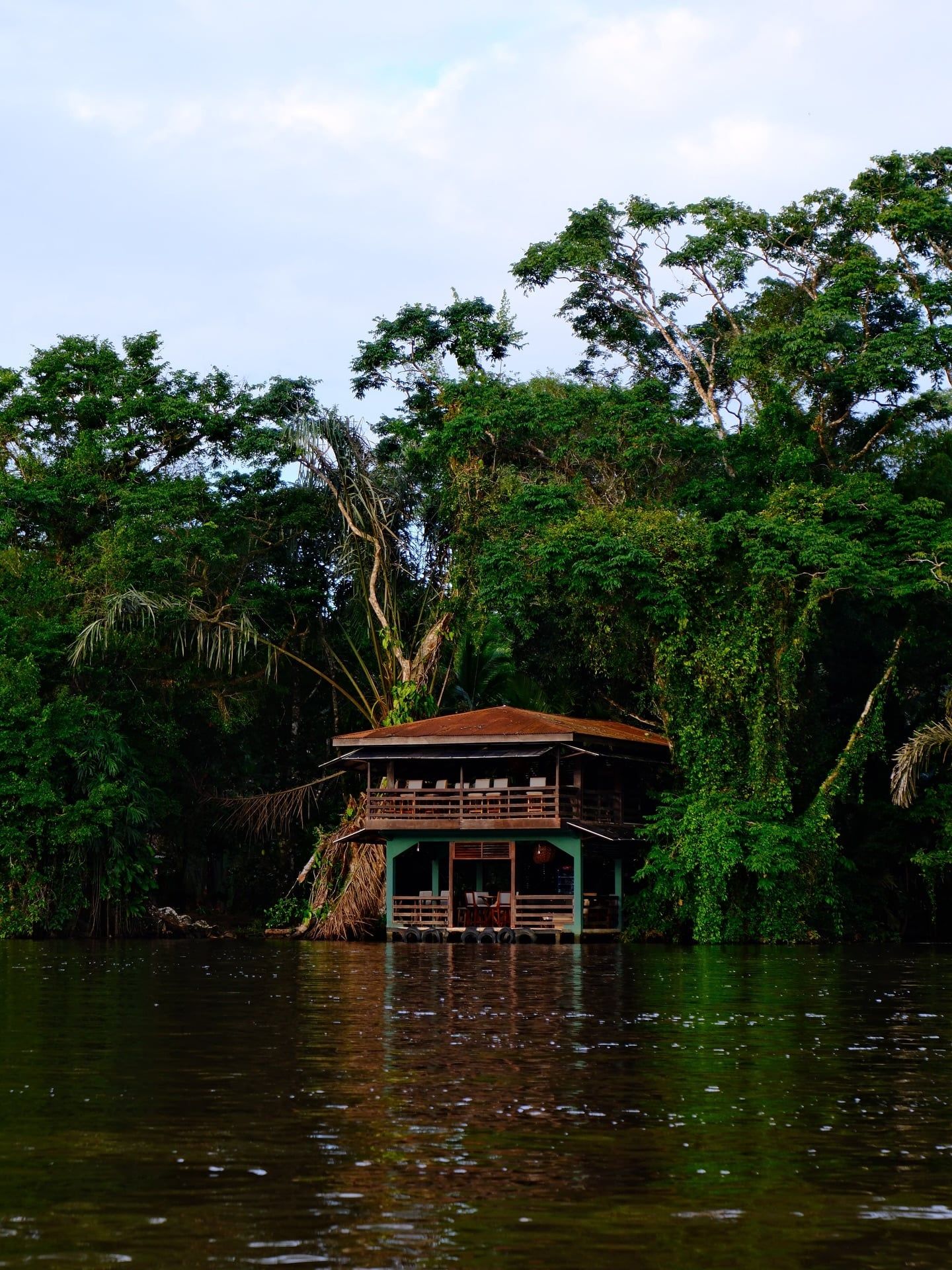
There are no cars in Tortuguero Village; residents and visitors rely entirely on boats, bicycles, and walking.
The park protects four distinct species of marine turtles: green, leatherback, hawksbill, and loggerhead.
The region receives up to 6,400 millimeters of rain annually, making it one of Costa Rica's wettest areas.
Green iguanas climb to the highest canopy branches to avoid caimans waiting in the flooded forest below.
Photography and flashlights are strictly banned on the beaches after 6:00 PM to protect nesting turtles.
Cerro Tortuguero is an ancient volcanic hill that rises 230 meters above the otherwise flat alluvial plain.
Certain narrow canals are designated as motor-free zones, accessible only by kayak or traditional canoe.
You can take a 25-minute domestic flight from San José Airport directly to the Tortuguero airstrip. Alternatively, drive or take a bus to La Pavona dock, then board a public water taxi for a 90-minute ride down the river.
No, swimming in the ocean is highly dangerous. The beaches feature extremely strong rip currents, rough surf, and large waves. The nearby river canals are home to caimans, crocodiles, and bull sharks.
The green sea turtle nesting season runs from July through October. Thousands of females come ashore at night to lay their eggs. You must book a guided night tour to access the beaches after 6:00 PM.
Foreign adults pay $17 USD plus a 13% tax, while children aged 6 to 12 pay $5 USD plus tax. You must purchase tickets in advance through the official SINAC online portal. No tickets are sold at the park gates.
You can hike daytime land trails like the Jaguar Trail independently. However, you must hire a certified local guide for all night turtle nesting tours. Guides are also highly recommended for canal tours to spot camouflaged wildlife.
No cars exist in Tortuguero Village. The town sits on a narrow spit of land where residents move around on foot or by bicycle. Boats serve as the primary mode of transportation for longer distances.
The climate is highly humid and tropical, with up to 6,400 millimeters of rain falling annually. Sudden, torrential downpours occur frequently, even during the drier months of February and April. Pack heavy-duty rain gear.
The park protects four marine turtle species. Giant leatherbacks nest from mid-February to July, and hawksbills appear from July to October. Loggerhead turtles also occasionally nest along this stretch of the Caribbean coast.
Tortuguero Village has only one ATM, which frequently runs out of cash or goes out of service. Bring plenty of Costa Rican colones before you arrive. Local businesses prefer colones over US dollars.
You must wear dark-colored clothing to avoid disturbing the nesting sea turtles. Bright colors and white lights can scare the animals away from the beach. Flashlights and cameras are strictly prohibited on the sand.
Browse verified tours with free cancellation and instant confirmation.
Find Tours